DittonW wrote: ↑Tue Mar 09, 2021 9:03 pm
7ohm wrote: ↑Sat Mar 06, 2021 12:49 pm
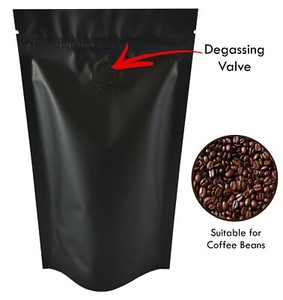
I would keep it in a paper bag so it can breath. Even maybe shake it around every once in a while. Oxidation is the goal, and keeping it airtight would not be conducive to letting air in. Most coffee bags have a little air port in them, and you can get them anywhere they sell fresh coffee. Amazon has them too.
Could you explain why oxidation is the goal? please? I respect your knowledge a great deal, but this seems counter to almost every other post on storage that I have seen - with keeping an airtight seal being key.
Great question.
Oxidation is the process by which Mit is converted to 7ohm. A study converted 8% of it simply by exposing the mit in aqueous solution (rose bengal) to sunlight. Photooxidation was presumed to occur inside the leaf with the interaction of sun and phytochemicals. Studies showed that this might be a random occurrence, as there seemed to be no discernable pattern or trend. McCurdy et al initially thought that Indonesians might be adulterating product with 7ohm isolate. Now, the consensus seems to be the "right amount' of oxidation, "some combination of light and heat" seems to cause higher levels to occur serendipitously.
The process of the Mit getting converted to 7ohm through the cytochrome enzyme in our bodies is presumed to be oxidation. It's a similar process that the liver uses to cleanse the blood of chemical compounds. In general, oxidation degrades matter, just like it does with Mit, eg rust. This is where "air tight" concept comes from.
So, we thought that by "fermenting" we were oxidizing the mit into 7ohm and the color red was indicative of the presence of 7ohm, as this is the color of the chemical compound. We thought that the relatively few samples of tested leaf were flawed as "strains" are merely blends. Test results were all over the place.
We're kind of now back to: it happens, but we don't really know why or how. The presumption is that oxygen from the air might play a role. Although, with photooxidation, I guess we're using dissolved oxygen from the solution. But, it still needs oxygen ultimately, whether it's inside our bodies or inside the leaf.
Fermentation and Oxidation are processes used to make tea. They also all come from one plant, which the end product is defined by the curing method. But, if you look at the process of fermentation in kratom, which is anaerobic, there's really no way it's going to happen simply by putting them in plastic bags. The entire method is flawed. Fermentation does nothing to the chemical profile that we know of. That's probably why there's so many issues with mold in reds. It's simply failed fermentation. What's unfortunate is that "reds" are blended into virtually every strain, so it's possible that we're eating mold. Which vendor tests every strain that they sell? Interestingly, mold allergy is a cause of hair loss and is not reported as a side effect in asia, where they consume fresh leaf.
Out of all the bullshit concerns that people raise about leaf, i personally think that mold is legit. Something needs to change about the process of making reds. There are some people claiming that they're using ovens now instead. I can't really figure out how they get it so red either. Plain, sun dried leaf is brownish more so than it is red.
If, ultimately what we're doing is degrading the level of Mit in order to get 7ohm effect via a lower mit level. It shouldn't matter how we do it. Reds have very low levels of mit, some as low as .33. We're essentially mixing that with like a 2.1 (shade dried) to yield 1.2. There's a few different ways we can get this. eg we can mix moringa in there to achieve that number, ie it doesn't have to be toxic mold.
My main point is that this process of achieving it is random, but does involve oxygen. Maybe we need to give the reds direct air. Maybe the plastic bags were restrictive. Most of the strongest leaf I've had is older leaf. Others seem to think the same thing. It's not that there was something inherently special about 2017, but leaf from then would have aged with heat and oxygen, right? Def room for experimentation.
Here's another argument for drying your leaf out:
Indonesia is humid. Leaf coming from there will have the same moisture level in the powder as was in the air (absorption), as high as 90% RH. If you were to evap all that moisture, you would remove the weight of water, making it more concentrated. Removing moisture also would prevent mold growth. Oven drying is a step scientists would take before extraction to maximize yield by removing moisture. If, however you live somewhere with lots of moisture in the air, making it airtight woud make sense, but only after you dry out all the moisture that came in there.
In all honesty, i don't think it matters how you store it unless you store it for a long period of time. Doubt there will be any significant changes in the shortrun. But, there's def more to be learned here. How do we get that magic batch again? We're all chasing it. Is it futile? 5 years from now we will all look back at these times and laugh at what we used to believe. Just going through my blog posts from a year ago is embarrassing enough.


 they have a foam seal which keeps it "weather tight" probably not totally Air Tight but pretty good. Always keep powder in original bags. Always buy SPLIT kilo's and try to avoid opening bags just to sample 5 grams out of 250.